Motril
The coast's real working capital
The Costa Tropical's working capital — port, hospital, market and sugar heritage, with better-value homes and dark-sand beaches a short drive from the busy centre.
A working town, not a resort
Let's be straight about Motril from the start: this is not a resort. It's the second-largest town in Granada province, the commercial and administrative capital of the Costa Tropical, and it feels like it — a busy, slightly scruffy, entirely genuine working Spanish city. The centre hums on a weekday morning: delivery vans, school runs, old men arguing amiably outside cafés, a big weekly market, shops that sell things locals actually need. Nobody has dressed Motril up for visitors, and plenty of people bounce off it for exactly that reason. But if what you want is everyday Spain with the coast's best services and its best-value property, Motril is quietly the most practical address on this stretch of shore.
The port and the sea road to Africa
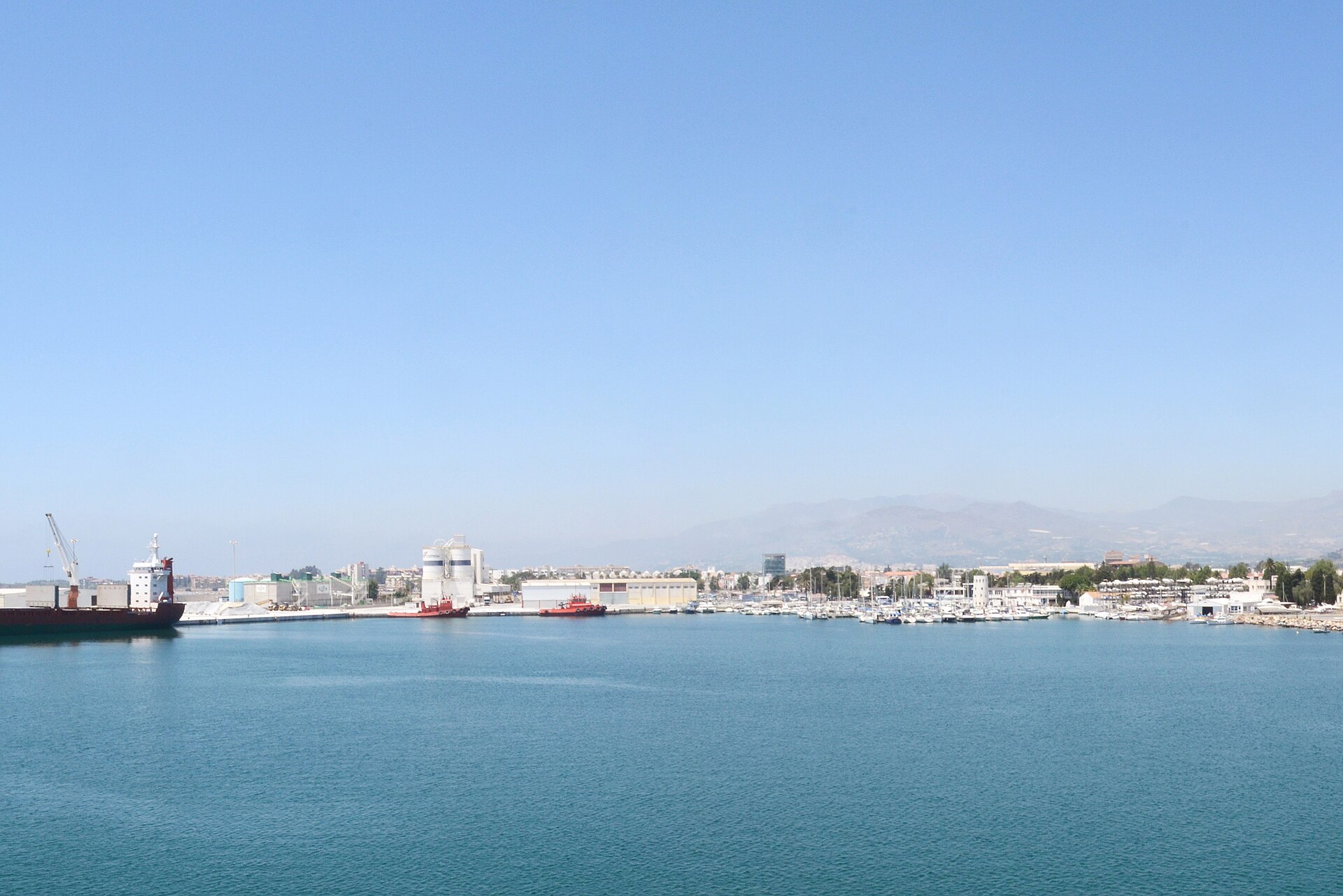
Motril's port is the town's engine and one of its genuine curiosities. Puerto de Motril is a proper working harbour — commercial cargo, a fishing fleet landing the day's catch — and it's also a passenger-ferry gateway to Melilla and Morocco. That last part still surprises people: from this unassuming Granada coast town you can drive onto a boat and wake up in North Africa. The cranes on the skyline and lorries heading for the docks anchor the local economy in something more durable than tourism.
Sugar city and the vega
For centuries Motril was the capital of Spain's sugar-cane industry, and this coast grew the last sugar cane in Europe. The cane fields are gone now, but the heritage is everywhere once you know to look: the old sugar factories — the ingenios and fábricas azucareras, including the historic Fábrica del Pilar — and a pre-industrial sugar-cane museum that tells the story properly. Better still, the tradition survives on the plate. Miel de caña — cane honey, a dark molasses — is still produced here, and it's the soul of the region's signature tapa, berenjenas con miel: crisp fried aubergine with that bittersweet syrup poured over. Order it anywhere in town; it tastes of Motril's whole history.
Where the sugar cane once stood, the vega de Motril — the flat, irrigated plain around the town — now grows subtropical fruit on an industrial scale: mango, avocado and the custard apple (chirimoya), alongside stretches of greenhouse plastic. It isn't always pretty, but it's why the markets are so good and the fruit so cheap, local and absurdly ripe. Motril still makes its living from the land and the sea.
The centre and the hill
Motril's centre sits slightly inland from the water, which is another reason it never became a resort. Its heart is the Iglesia Mayor de la Encarnación, a solid fortress-like church built on the site of a former mosque — a very Andalusian layering of history. Above the town rises the Cerro de la Virgen, crowned by the Santuario de la Virgen de la Cabeza, sanctuary of Motril's patron. Walk up in the late afternoon and you get the view that explains the town in one look: rooftops, the green-and-plastic patchwork of the vega, the port, and the Mediterranean beyond.
The beaches
The beaches are a short drive (or a longish walk) from the centre, and they're dark volcanic-grey sand, typical of this coast — no white-powder fantasies. Playa de Poniente is the town's main strand, long and local, with chiringuitos in season. Playa Granada, to the west, is the smarter stretch, backed by a golf course and a low-rise residential area that's popular with second-home owners. Just east lies Torrenueva, a proper beach town in its own right. The upside of a working town's beaches: even in August they're mostly full of Spaniards.
Food
Eating in Motril is local and honest. Fish and seafood come straight off the port's fleet; the aubergines-with-cane-honey habit is compulsory; the vega supplies avocados and chirimoyas by the crate. Menús del día are priced for working people, not tourists, and you'll pay noticeably less here than in the resort towns for a better plate of fish. Don't expect much in the way of international dining — this is Spanish food for Spanish appetites.
Fiestas
Motril keeps the full Andalusian calendar — Semana Santa done seriously, bonfires on the beach for San Juan in June — and honours its patron, the Virgen de la Cabeza, with devotion centred on the hilltop sanctuary. The main feria usually lands in August: a proper working-town fair, loud and unpolished. Check dates locally each year, as they shift.
Living here
This is where Motril earns its keep. It has the coast's main hospital (Santa Ana), the main ALSA bus station, the biggest supermarkets and shopping, and every administrative office you'll ever need to queue in. Property is markedly better value than in Almuñécar or Salobreña, whether in the centre or out at Playa Granada. The trade-offs are real: less English is spoken, the town is short on cosmopolitan gloss, and parts of it are plain workaday. That's the deal — authenticity and value instead of polish.
Getting around
Motril is the transport hub of the entire coast: the A-7 coastal motorway meets the A-44 up to Granada right here, and the bus station connects the whole shoreline. Granada city and Málaga airport are each roughly an hour away by car. There's no train — there's no train anywhere on this coast — so a car helps, though carless life is more feasible here than in any of the villages.
Who it suits
Motril suits people who want to live in Spain rather than beside it: value-hunters, families who need the hospital and schools close, anyone working locally, and expats happy to learn Spanish and blend in. It will frustrate those wanting prettiness, promenade glamour or an English-speaking bubble — Salobreña and Almuñécar do that better. But as a base for real life on the Costa Tropical, nowhere else on this coast comes close.